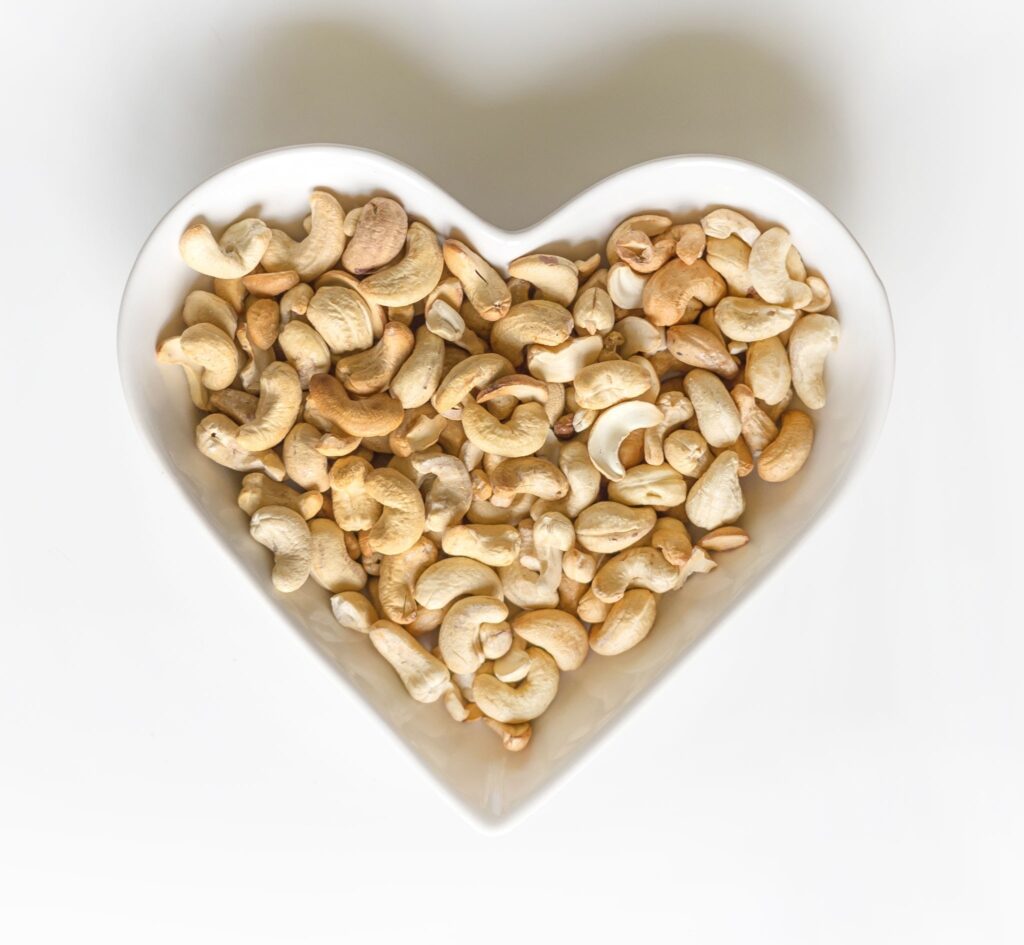
Did you know a small handful of cashews daily can significantly support your heart health? Learn how these creamy nuts may lower blood pressure and bad cholesterol naturally. Start snacking smarter today!
Heart disease is still one of the most serious global health issues, but what if a simple daily snack could help protect you? Research suggests that adding a small handful of cashews to your diet may be one of the easiest ways to support a stronger, more resilient heart.
These creamy, nutrient-rich nuts are packed with things your cardiovascular system loves, including healthy fats, essential minerals, and powerful compounds that fight damage. Eating them regularly, as part of a balanced diet, can make a measurable difference in your long-term health.
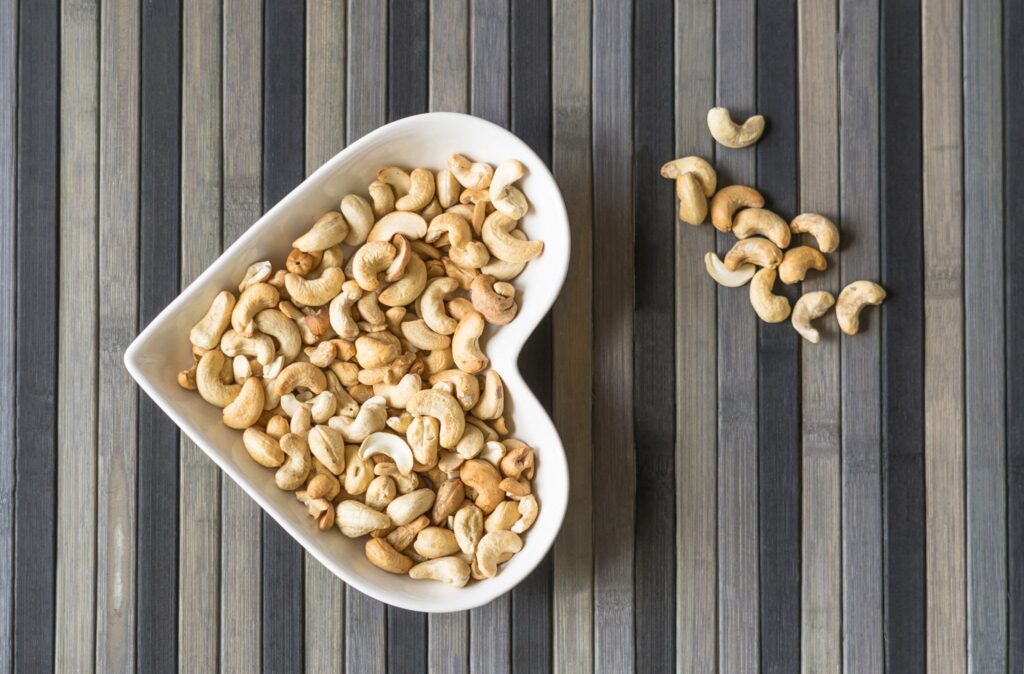
1) The Power of “Good” Fats
You shouldn’t be concerned about nuts’ fat content! Monounsaturated and polyunsaturated fats abound in cashews. These are the same healthy fats found in avocados and olive oil.
Your body uses these healthy fats extensively. They assist maintain balanced levels of healthy HDL cholesterol (the good sort) while lowering dangerous LDL cholesterol (the bad kind). A balanced cholesterol level lowers the accumulation of plaque in your arteries, which eventually improves blood flow.
2)Naturally Managing Blood Pressure
Do you have trouble controlling your blood pressure? Cashews are a great source of magnesium and potassium, two minerals that are essential for controlling it.
Magnesium aids in blood vessel relaxation, which enhances circulation and relieves cardiac strain. In the meantime, potassium helps prevent hypertension, or elevated blood pressure, by balancing your body’s sodium levels. Regular consumption of cashews has even been shown in studies to significantly lower systolic and diastolic blood pressure.
3) Fighting Damage and Triglycerides
Strong substances known as antioxidants, such as polyphenols and tocopherols, are found in cashews. These are merely natural substances that combat oxidative stress—damage brought on by unstable molecules known as free radicals—and chronic inflammation.
Because stress and inflammation can damage blood vessel lining and accelerate heart disease, this internal defense is essential. By lowering triglyceride levels, cashews have also been demonstrated to enhance blood lipid profiles. An excess of triglycerides, a form of blood fat, is a significant risk factor for heart problems.
4) How Cashews Support a Healthy Weight
One of the most crucial things you can do to reduce your risk of heart disease is to maintain a healthy weight. Cashews can also be useful in this situation!
Despite having more calories than some snacks, they have an excellent balance of fiber, protein, and healthy fats. Satiety, or the sensation of being full, is increased by this combo. You are less likely to overeat or develop a later craving for unhealthy processed foods if you eat a small bit as a snack.
5) Easy Ways to Get Your Daily Cashew Boost
Are you prepared to incorporate this heart-healthy dish into your daily routine? It’s easy. To get the most out of it, simply follow these steps:
Aim for Moderation: To reap the health advantages, a small daily handful of five to ten nuts (or roughly 28 grams) is sufficient.
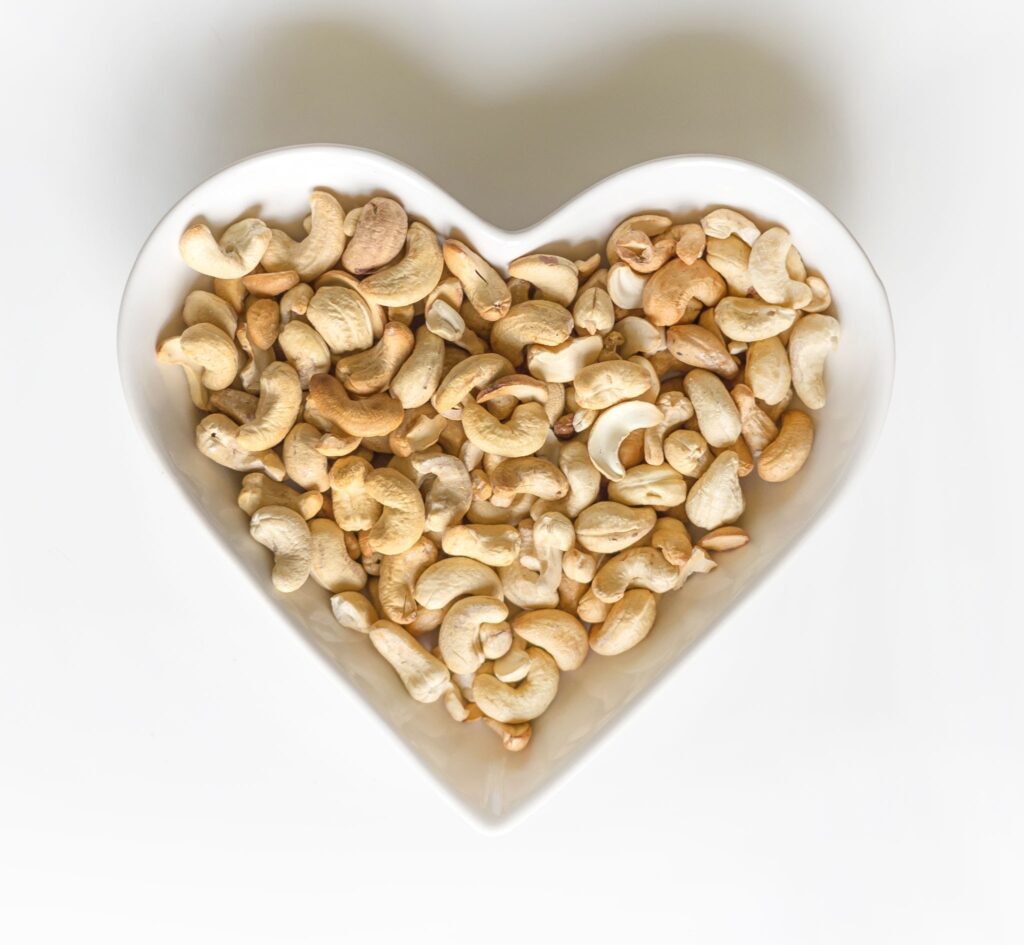
Make an informed decision by always selecting cashews that are either raw or dry-roasted.
Steer clear of salt: Steer clear of the oil-fried or salted varieties since too much sodium might cause hypertension.
Mix Them In: For added texture and nutrients, try mixing them into a smoothie, adding them to your morning porridge, or sprinkling them on a salad.
***Important Note: While cashews are a fantastic addition to your diet, be sure not to over-consume them, as too many can lead to excess calories and potential weight gain. For anyone with a nut allergy, cashews must be avoided completely. Always consult a healthcare professional before making any major changes to your diet or lifestyle.
Leave a Reply