
Eggs are a nutrient powerhouse, but are you cooking them wrong? Learn how to eat eggs every day safely by using these simple, heart-healthy tips and tricks
Did you know that eggs are one of the most nutrient-packed foods on the planet that won’t break your bank? Most people can enjoy them every single day without any health issues at all.
While they are a staple in kitchens worldwide, the way you prepare and eat them makes a huge difference. If you want to keep your heart happy and your body strong, here is how to make eggs a healthy part of your daily routine.
Eat the Whole Egg
Do you still discard the egg’s yellow portion? Perhaps you should quit! Although the whites are well known for having a lot of protein, the “hidden treasures” reside in the yolk.
Your eyes and brain are shielded by the antioxidants, vitamin D, and good fats found in the yolk. Eating the entire egg is the greatest method to obtain all of its natural nutrients, unless your doctor has instructed you otherwise.

Choose Better Cooking Methods
Eggs are vital, but so is how you cook them. Frying them in heavy butter or refined oils adds excess calories and fats that over time may cause cardiac problems.
Try poaching or cooking your eggs instead. These techniques prevent the needless addition of “bad” lipids while retaining the nutrition. A minor adjustment can have a significant effect on your long-term health.

Add Some Fiber to Your Plate
Eggs are great for keeping you full, but they don’t have any fiber. Fiber is the part of plant foods that helps your digestion and keeps your blood sugar steady.
To create a balanced meal, try pairing your eggs with:
- Fresh spinach or tomatoes
- Whole wheat toast
- Legumes or beans
- A side of fruit

Keep It Clean and Safe
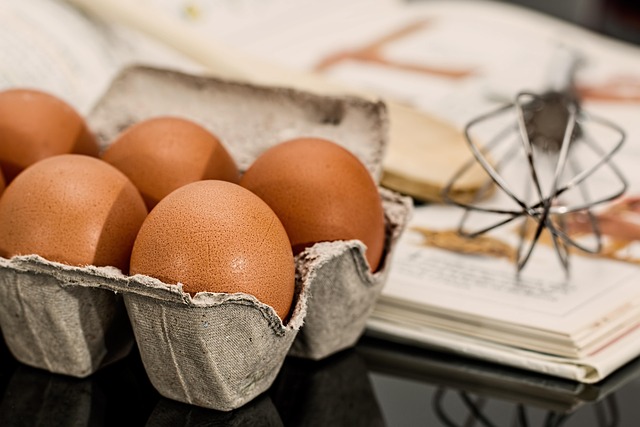
Safety begins even before the burner is turned on. To maintain a consistent temperature, always keep your eggs in their original carton in the main section of the refrigerator rather than the door.
Rinse the shells briefly before cracking them. Bacteria like Salmonella can dwell on the outside and enter your food when the shell cracks, even if you don’t eat the shell. To prevent being ill, boil them until the yolks and whites are solid.
Know Your Limits
Eggs are an excellent source of protein, but you shouldn’t rely only on them. To obtain a greater range of nutrients, it’s a good idea to mix things up with lentils, nuts, fish, or lean meats.
You should watch how many eggs you eat if you already have heart disease or excessive cholesterol. Asking a medical professional what a safe daily limit is for you is always a good idea because some people are more sensitive to the cholesterol in meals.

Final Tips for Success
To keep your meals as healthy as possible, avoid piling on the salt and butter. You can use herbs and spices to add flavor instead. Lastly, always trust your nose—if an egg smells strange or looks discolored, throw it away immediately.
By following these simple habits, you can enjoy your favorite breakfast every morning while supporting your overall well-being
Leave a Reply