
Is It Possible for a Basic Computer Game to Conserve Memory?
According to a significant long-term study, playing a certain kind of online speed training game can reduce your risk of dementia by an astounding 25%.
The Strength of Velocity
We’ve been told for decades that the greatest methods to safeguard our minds are to eat healthily and exercise. But according to Johns Hopkins University experts, “speed training” could revolutionize brain health.
Even though memory and logic problems are popular, the study discovered that they didn’t provide the same level of long-term protection. The only workouts that had a discernible effect in preventing dementia were the speed-based ones.
The goal of speed training is to increase your ability to process visual information fast.
The Difference: As you advance, these games get harder and faster than static puzzles.
The outcome was that even years later, participants’ brain health had significantly improved.
The Study’s Methods
The ACTIV project, which tracks 2,000 adults over 65 for 20 years, is the biggest of its type. To examine several kinds of mental workouts, researchers split participants into groups.
The “winner” was a game known as “Double Decision.” To see effects, participants didn’t even need to play that frequently. For six weeks, they only did one or two sessions per week. A year or two later, they added a few “booster” sessions.
What Makes It Effective?
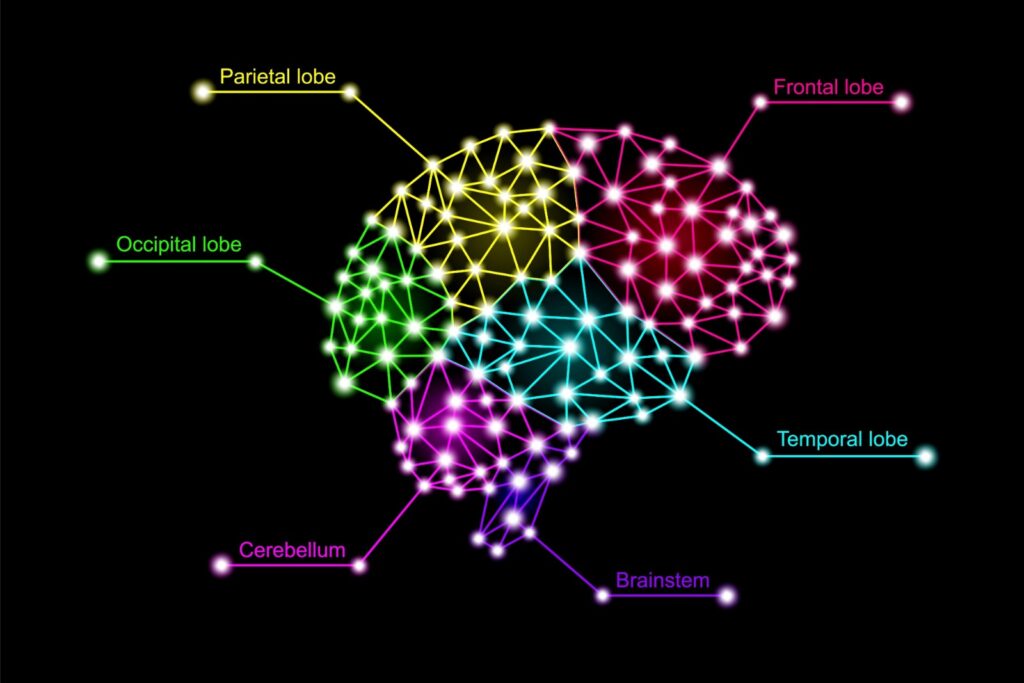
Although they have a solid explanation, scientists are not entirely clear why speed training works so well. They think it might enhance connectivity—the communication between various brain regions.
These ties may become weaker as we age. This particular game is “adaptive” in the sense that it continuously tests your limits, which keeps your brain quick and adaptable.
Practical Advantages
Users of this instruction, such as Joyce Grego, a 71-year-old retired teacher, report a significant improvement in their day-to-day lives. Grego reports feeling far more alert than her peers, particularly when driving.
She discovers that her side vision allows her to pick up on things that others might overlook. Some pals think the games are “too hard,” but Grego thinks that’s precisely what makes them appealing. Your brain develops and remains strong when you challenge it with challenging tasks.
The Takeaway
To keep your mind safe, you don’t have to spend hours on a computer every day. A stronger, more connected brain that is better able to fend against aging decline can be developed by selecting the appropriate type of “speed-based” challenge.
Leave a Reply