

10 Clever Food Swaps Suggested by a Doctor to Help Manage Diabetes Without Starvation
Did you know that you don’t have to give up all of your favorite foods in order to manage your diabetes? It’s a common misconception that people with diabetes must follow a rigid, tasteless diet, but that isn’t the case.
The Myth of the Strict “Diabetes Diet”
A lot of people believe they have to stop eating cakes, cookies, and comfort foods right away. But according to diabetes and endocrinology specialist Dr. Ankita Tiwari, managing this illness well means embracing a healthy diet rather than avoiding it.
It’s not about following strict guidelines that bring you misery. Rather, you should learn how to choose foods that are sustainable, promote your health, and still allow you to savor a wide range of mouthwatering flavors.
Focus on Fuel: Carbohydrates and Fibre
These first few tips focus on choosing the right kind of fuel for your body to help prevent blood sugar spikes and drops.
1) First, pick the healthy carbohydrates. Pay attention to complex carbohydrates with a low GI. Low GI foods help you avoid those depleting energy spikes and crashes by releasing glucose (sugar) into your blood gradually.
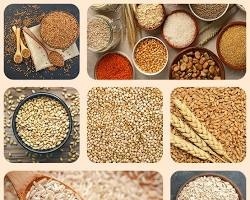
2) Stock up on oats and millets. The doctor advises incorporating whole-grain foods into your diet, such as oats, pulses, broken wheat (dalia), and different types of millets. These complex carbohydrates provide much-needed dietary fiber and long-lasting energy.
3) Limit Refined Carbs. White bread, sugary drinks, and pastries are examples of refined carbohydrates that are quickly digested and can result in sharp spikes in blood sugar levels. Select whole grains, like whole wheat bread, rather than white bread to prevent feeling ill and dissatisfied.

4) Put vegetables on half of your plate. Priority should be given to non-starchy vegetables such as leafy greens, beans, cauliflower, and cabbage. They give your meals more substance and are low in calories but high in nutrients, which will help you achieve your health objectives.
Essential Building Blocks: Protein and Fat
Your meals need more than just carbs. Adding quality protein and healthy fat helps stabilize your sugar levels and supports other areas of your health.
5) Consume lean protein at every meal. For stable blood sugar, lean protein sources like fish, eggs, cottage cheese, lentils, and tofu are essential. Additionally, protein prolongs feelings of fullness, which is beneficial if you’re trying to control your weight as part of your treatment plan.
6) Healthy fats are nothing to be afraid of. In fact, unsaturated fats, which are present in foods like avocados, nuts, seeds, and olive oil, can support heart health. Including these fats is helpful because diabetics are more likely to develop heart disease. Just remember that eating too many of them can cause weight gain, so use them sparingly.

Practical Daily Habits for Stable Blood Sugar
Successful management is also about when and how you eat, not just what you eat.
7) Eat more frequently and in smaller portions. Significant blood sugar swings can be avoided by eating smaller, more frequent meals throughout the day. This approach is a useful way to manage hunger and maintain a consistent energy level without suddenly taxing your system.
8) Choose Your Carbohydrate Pairs Carefully. When you do consume carbohydrates, make sure to pair them with fiber or protein. Your body absorbs glucose more slowly thanks to this ingenious combination. Consider serving brown rice with lentils or fruit with nuts.
9) Drink plenty of water to stay hydrated. Remember to stay hydrated at all times! Maintaining proper hydration aids in the kidneys’ effective elimination of extra glucose from the body. Great options include water, herbal teas, or sparkling water with a lemon slice.
10) Engage in mindful eating. Instead of avoiding particular foods, concentrate on being adaptable and savoring a range of foods. You can eat anything in moderation. Be deliberate about what you put on your plate and make wise substitutions, such as selecting grilled food over fried.
The Final Takeaway: Consistency is Key
The doctor emphasizes that the key to managing diabetes is making “intelligent, sustainable long-term choices.” Making wise choices that fit into your life is more important than simply avoiding things. You can stabilize your blood sugar levels and greatly enhance your general quality of life by concentrating on meal timing, managing portion sizes, and consistently implementing these wise decisions.